
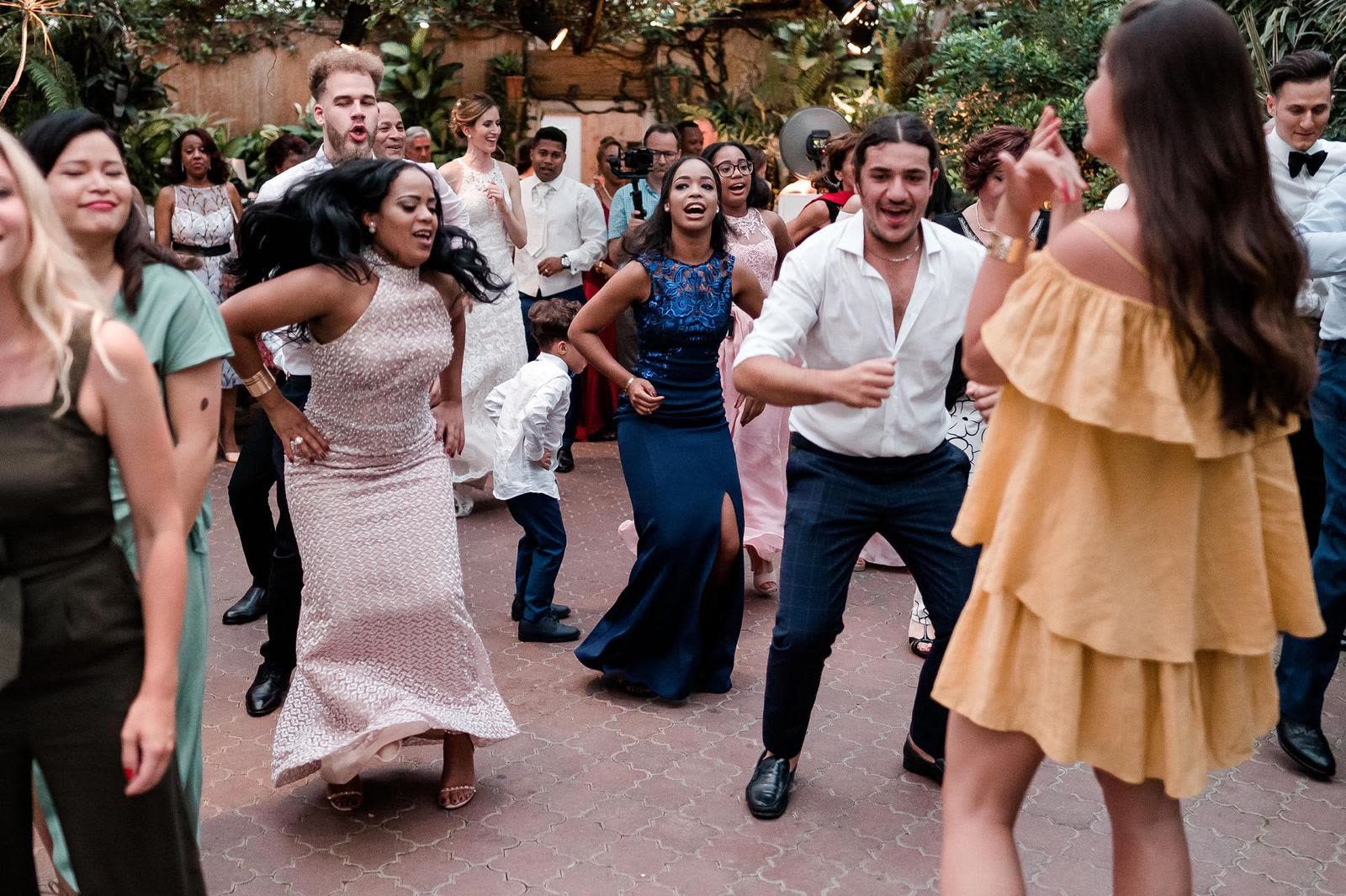
Conversations about a wedding DJ often begin with musical genres. For robust planning, another order is more useful: start with the day’s timeline, then define the role of music in each phase and only then make specific selections. A ceremony needs precise cues. At the drinks reception, music should connect people without covering conversation. During dinner, it shares the room with speeches and service. The first dance centres on one personal moment; later, the celebration belongs to everyone.
Recording these differences early makes it possible to enquire realistically about performance times, technical requirements and musical preferences. This is particularly important when several rooms are involved, live vocals are desired or guests speak different languages. The following steps provide a sound basis for your conversation with the DJ and for a definitive quotation.
1. Divide the wedding day into musical phases
First, write down every part of the day in chronological order: guest arrival, ceremony, congratulations, drinks reception, meal, speeches, games, first dance and party. Add any changes of location and the time from which the DJ can set up. This reveals whether continuous coverage makes sense or only selected phases need accompaniment.
For each phase, one sentence about the desired effect is enough to begin. Should the reception feel light and open? Must speech remain clearly intelligible during dinner? Should the first dance move straight into a round of dancing, or is another programme element still to come? These notes tell the DJ more than a long, unstructured list of tracks.
- Start and finish of each phase
- Changes of room or location
- Responsible contact person
- Fixed programme elements that need music
2. Give requests and no-go choices a priority
A request list should distinguish between essential songs, welcome musical styles and spontaneous ideas. The couple can also note which pieces are connected to particular people or memories. This shows the DJ what matters emotionally and which tracks are simply examples of a mood.
A short no-go list is equally useful. It should set clear boundaries without preventing every response to the guests. Categories such as oldies, pop and club hits, hip-hop and R&B, Latin, electronic music, rock, Swiss-German music and Schlager provide an initial structure for the conversation. How strongly each direction features depends on the couple’s preferences and the atmosphere on the night.
3. Describe the audience specifically, not generically
The phrase ‘mixed audience’ offers little guidance. Age groups, cultural backgrounds, the approximate share of guests likely to dance and known musical common ground are far more useful. At a multilingual wedding, it should also be clear which languages the couple, families and venue use.
German, Italian and French are the core languages; English is fully available by prior arrangement. Announcements and hosting duties are agreed during the initial conversation.
4. Discuss the first dance and live vocals separately
For the first dance, the DJ needs the correct version of the track and a clear starting cue. If the couple wants it shortened, blended or followed directly by a second song, that sequence belongs in the timeline. The people responsible for clearing the dance floor and setting the light should also know the cue.
Antonio combines his DJ set with live vocals; a live rendition of a tarantella can also form part of a wedding. If you would like live singing, discuss the song, key, duration, position and technical requirements directly with him. Only once these details have been agreed does the live moment become a confirmed programme element.
5. Review the technical setup with the venue
Ask the venue about power, space, access, setup time, its existing sound system, microphones, volume restrictions and curfew. If the ceremony, drinks reception and party take place in separate areas, one setup may be impractical. Outdoors, weather protection matters too, as does the point at which equipment can be installed safely.
DJ Cardillo has in-house sound and lighting for events of up to 300 people. Acoustics, floor area, indoor or outdoor use and venue equipment are checked. Parallel ceremony, reception and party setups are included; external specialist equipment is quoted separately.
6. Distinguish a guide price from the definitive quotation
An early price guide helps with budgeting, but it is not a booking. At Cardillo Events, a personal conversation about duration and scope follows the non-binding estimate. Travel, overtime, external specialist equipment, deposit and cancellation terms are set out in the definitive agreement.
Do not review only the final total. Confirmed performance times, setup, included equipment, live services and the process for handling changes matter just as much. A clearly defined scope prevents the couple, venue and DJ from bringing different expectations to the wedding day.
7. Complete one concise final check before the wedding
Update the timeline a few days before the occasion and mark any changes from the quotation. The DJ needs the definitive contact person, the order of speeches, the first-dance cue and every track that must be played exactly. Spontaneous contributions should be coordinated through one responsible person.
On the day, the plan is a shared reference rather than a rigid script. If dinner or speeches run late, the music can adapt—as long as responsibilities and lines of communication are clear. This balance of preparation and responsiveness creates the space for a celebration that develops naturally.